
Categories
Home Buying and Selling, Home Buying Tips, Homeowner Tips, Home Selling TipsPublished June 8, 2026
Why Two Nearly Identical Homes Can Sell for Very Different Prices

Why Two Nearly Identical Homes Can Sell for Very Different Prices
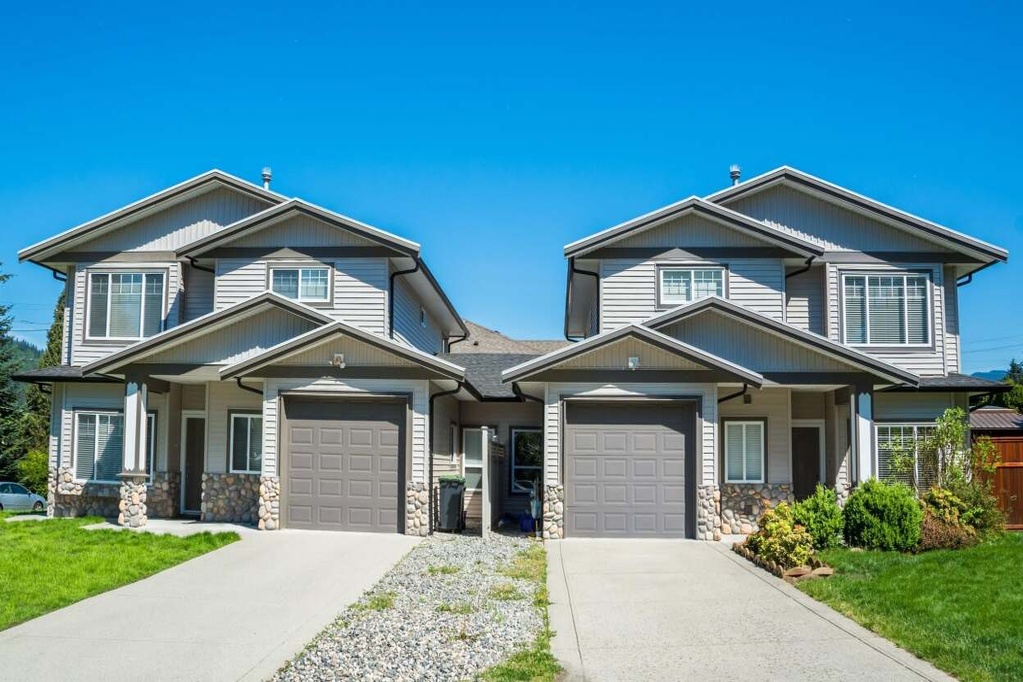
If you've ever toured two homes side by side, same neighborhood, same square footage, similar finishes, and walked away wondering why one sold for $50,000 more than the other, you're not alone. And if you've noticed some listings collecting offers within days while others sit for weeks untouched, that's not random either.
The real estate market rewards what it values, and understanding those values can make all the difference, whether you're buying, selling, or just trying to make sense of what's happening in your area.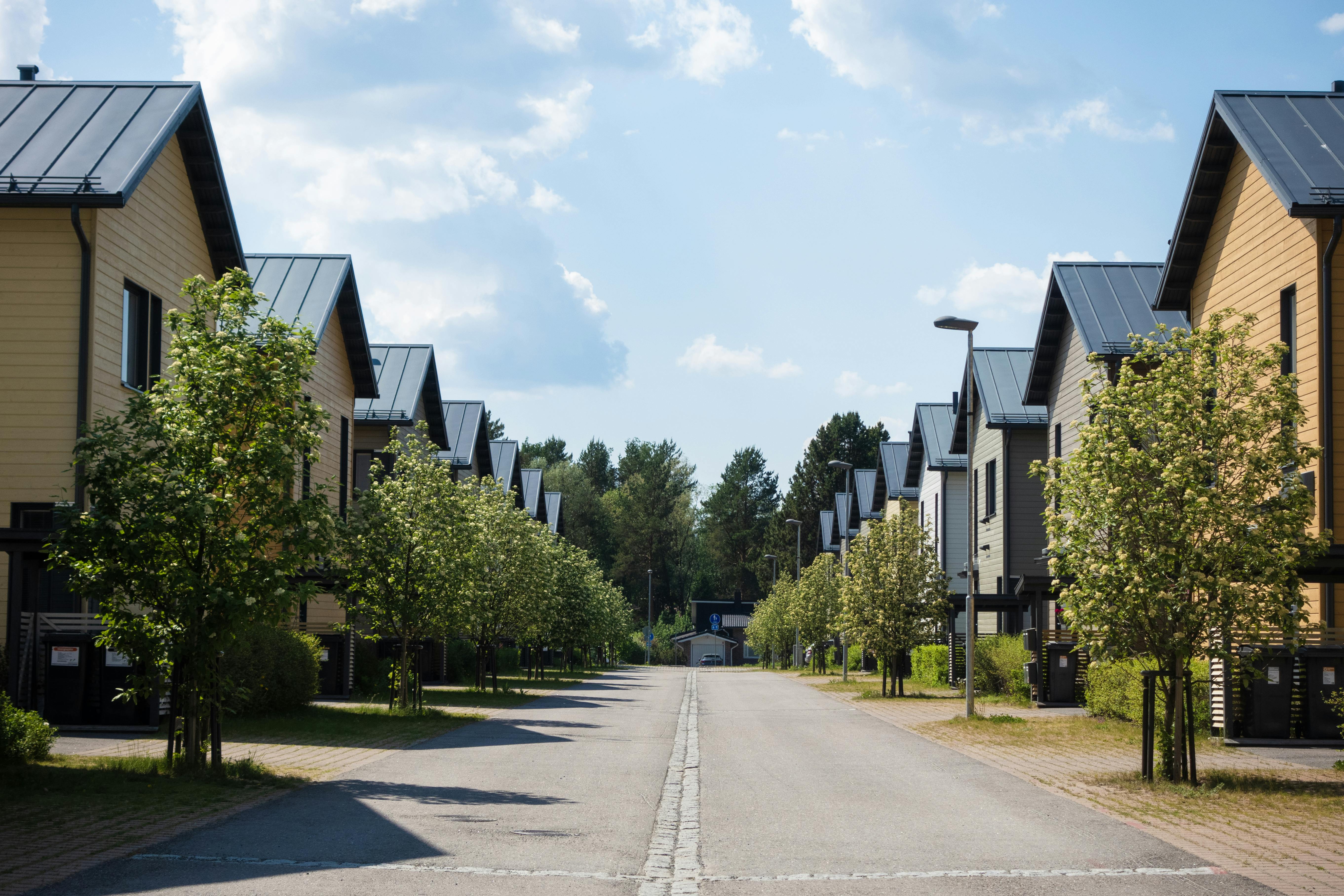
On paper, they look the same. But a price gap that large almost always has a story behind it, and it usually comes down to a combination of the following factors.
1. Location Within the Neighborhood
Two homes can share a zip code and still be worlds apart in perceived value. A home on a quiet cul-de-sac will typically command more than one on a busy cut-through street. Proximity to a park, a pond, or a tree line adds value. Backing up to a commercial property, a highway, or high-tension power lines takes it away.
Buyers don't just buy a house. They buy everything visible from the front porch and the backyard.
2. Lot Size, Usability, and Orientation
A larger lot isn't automatically more valuable if it's oddly shaped, heavily sloped, or mostly unusable. What buyers respond to is usable outdoor space, a flat, private backyard, good sun exposure, or room to expand. South-facing lots that get afternoon light often feel warmer and more inviting, which buyers notice even if they can't explain why.
3. Updates That Appraisers and Buyers Both Value
Not all renovations are equal. A kitchen remodel or primary bathroom update tends to hold its value well. New windows, a newer roof, or updated mechanicals (HVAC, water heater, electrical panel) reduce buyer hesitation and often justify higher offers.
Meanwhile, highly personalized finishes, custom paint colors, bold tile choices, niche design features, can actually work against a seller if buyers see them as work to undo.
According to the National Association of Realtors' 2024 Remodeling Impact Report, a kitchen upgrade recouped an average of 67% of its cost at resale, while hardwood floor refinishing returned approximately 147%, one of the highest-value updates a seller can make.
4. Condition and Deferred Maintenance
Buyers are increasingly inspection-savvy. A home that shows well but has deferred maintenance, aging systems, soft spots under flooring, signs of water intrusion, will either get a lower offer or see price reductions after inspection. Sellers who address issues upfront, or price accurately to reflect them, fare much better than those who hope buyers won't notice.
5. How the Home Was Listed and Marketed
This one surprises people, but it's real: the quality of listing photos, the way the home is staged, and the strength of the listing description all affect how many buyers walk through the door, and how motivated they are when they arrive. A home that's professionally photographed and priced strategically from day one builds momentum. One that's overpriced at launch and later reduced often carries a stigma, even if the final price is identical.
A Zillow study found that homes with professional photography sell 32% faster and for up to $11,000 more on average than comparable homes listed with amateur photos.
6. The Seller's Situation (and Timing)
Sometimes the gap comes down to motivation. A seller who needs to close quickly may accept a lower offer. A seller who can wait for the right buyer may hold out for full price, or over. Market timing matters too: a home listed at the start of spring inventory season in a low-supply market will behave very differently than one listed quietly in November.
Why Some Homes Are Getting Multiple Offers While Others Sit
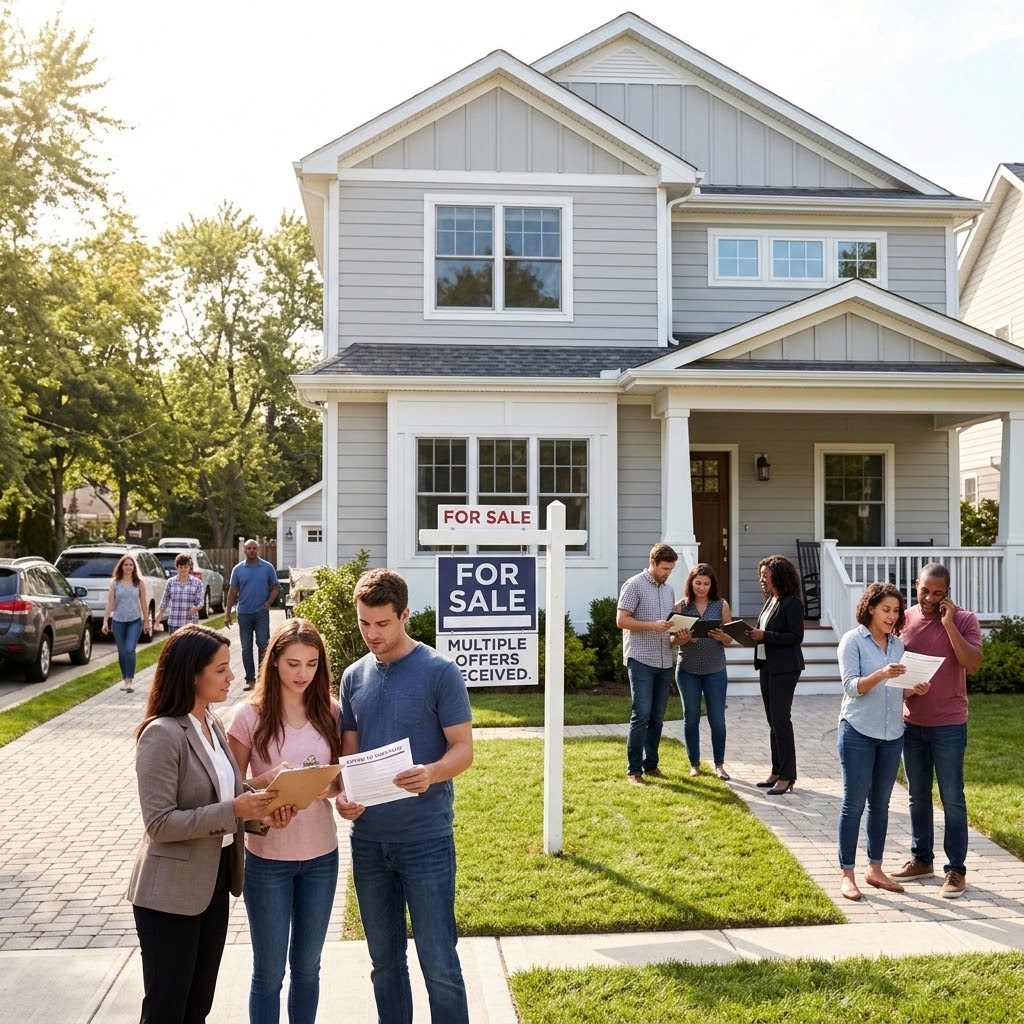
In the same week, on the same street, one home can have a bidding war while another extends its price drop for the third time. Here's why.
1. Price Positioning Is Everything
The homes that generate multiple offers almost always have one thing in common: they were priced to attract, not to anchor. A home listed just below market expectation creates urgency. Buyers don't want to miss out, and that competition drives the price up naturally.
A home listed at, or especially above, the top of its range starts its life on the market defending its price rather than attracting buyers. Days on market accumulate, and buyers begin to wonder what's wrong with it.
2. Move-In Ready Wins in a Busy Market
Today's buyers, particularly younger buyers entering homeownership for the first time, are time-poor and financially stretched. Many are already at their max budget and don't have a renovation cushion. Homes that require work, even cosmetic updates, get passed over in favor of those they can close on and move into without a project list.
The homes sitting? They often have "good bones" but need vision. In a seller's market, vision is a luxury buyers can't always afford.
3. First Impressions Drive Foot Traffic
You can't get multiple offers if buyers don't show up. The homes generating buzz are the ones that photograph beautifully online, because that's where 97% of buyers start their search, according to the National Association of Realtors 2023 Home Buyers and Sellers Generational Trends Report.
Curb appeal, staging, natural light, and decluttered spaces aren't vanity. They're strategy.
4. The First Two Weeks Define a Listing
The launch window matters enormously. A well-prepared home that hits the market on a Thursday or Friday, with an open house that weekend, taps into the pool of buyers who've been waiting. Those buyers are motivated, pre-approved, and ready to act.
A home that launches quietly, with no open house and limited showing availability, misses that window entirely, and then spends weeks trying to recreate momentum that's already gone.
5. Supply and Demand by Price Point
Multiple offers don't happen uniformly across all price ranges. In most markets, the most competitive segments are entry-level and mid-range homes where buyer demand consistently outpaces supply. Move-up and luxury homes tend to have a smaller buyer pool, longer average days on market, and fewer competing offers, even in strong markets.
Understanding where your home sits in that spectrum is essential to setting realistic expectations.
6. Perceived Value vs. Actual Value
Buyers make emotional decisions first and rational decisions second. A home that feels like a find, one that's nicely updated, well-maintained, priced fairly, and shows beautifully, generates excitement that a technically similar but less appealing home doesn't. That excitement is what produces multiple offers.
The homes that sit are often objectively fine but fail to create that feeling. And in real estate, feeling matters.
What This Means If You're Buying or Selling
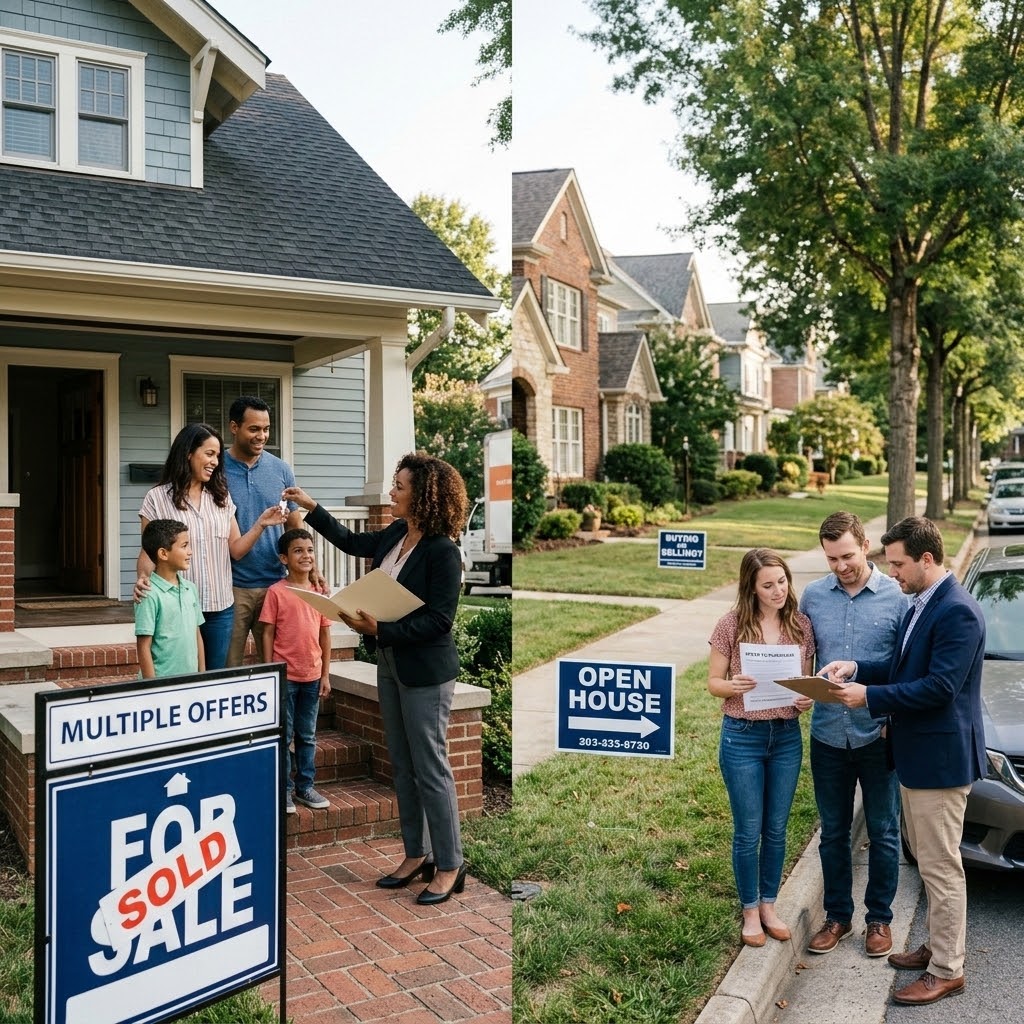
If you're selling: The gap between a home that generates multiple offers and one that lingers isn't luck. It's preparation, pricing, and presentation. Small investments in condition and marketing can yield outsized returns.
If you're buying: Understanding why prices vary helps you evaluate value more confidently. A $50,000 price difference between two "similar" homes almost always reflects real, explainable differences, and knowing what they are puts you in a better position to negotiate or decide.
Real estate rewards those who understand it. The more you know about what the market values and why, the better your decisions will be, on either side of the transaction.
Thinking about buying or selling in the area? Let's talk through what the current market means for your specific situation.
References
-
National Association of Realtors. (2024). 2024 Remodeling Impact Report. https://www.nar.realtor/research-and-statistics
-
National Association of Realtors. (2023). Home Buyers and Sellers Generational Trends Report. https://www.nar.realtor/research-and-statistics
-
Zillow Research. Listing Photos and Home Sale Prices. https://www.zillow.com/research
-
Investopedia. (2024). What Factors Affect a Home's Resale Value? https://www.investopedia.com/articles/mortgages-real-estate/
-
The Balance Money. (2024). Why Do Similar Homes Sell for Different Prices? https://www.thebalancemoney.com/real-estate

Jason Gorman
Founder | Owner | Realtor® | Jason Gorman Real Estate Team | Keller Williams Premier Realty
or another way